
Updated
November 27, 2026 1:05 AM

A desk with books and coffee next to a computer. PHOTO: UNSPLASH
Ailytics raises US$7.4 million in Series A
Singapore-based vision AI startup Ailytics has raised US$7.4 million in a Series A round led by Tin Men Capital. Its flagship product, Ailyssa, works with existing CCTV cameras to analyse footage in real time. Using computer vision and vision-language models, it flags industrial safety hazards such as workers without protective gear or standing too close to moving machinery. This helps industrial teams identify and address potential risks before they lead to accidents.
Stryv raises US$11.5 million in Series B
Singapore-based personal care and home wellness company Stryv has raised US$11.5 million in a Series B round led by ACV Capital, with participation from Openspace Capital and OCTAVE Capital. Its product range includes hair dryers, stylers, shavers, men's grooming and oral care products. Through its Sterra brand, the company also offers home wellness products such as air and water purifiers.
Omnichat raises US$10 million in Series A
Hong Kong-based customer engagement startup Omnichat has raised US$10 million in a Series A round led by Openspace Capital, with participation from Darwin Ventures and Acorn Pacific Ventures. Its platform brings customer conversations from WhatsApp, LINE, Messenger, Instagram and WeChat into one place, helping brands manage sales, marketing and customer service. It also uses AI to recommend products, respond to enquiries and turn conversations into sales. Omnichat says it serves more than 5,000 brands and has helped generate over US$100 million in revenue for clients.
ProScout seeks US$200,000 to complete seed financing
Israel-based agritech startup ProScout is raising a seed round through a SAFE, with US$1.2 million secured and a further US$200,000 sought. Its backers include Orbit Ventures and angel investors, alongside a non-dilutive grant. The startup's device clips onto existing agricultural sprayers and records where pesticides are applied in real time. Its AI-powered platform compares actual spraying with planned treatment and generates maps showing which areas were covered and where spraying was missed. This helps commercial growers improve spraying accuracy and reduce chemical waste.
Keep Reading
A closer look at how startups are turning local AI into global opportunity
Updated
March 24, 2026 6:25 PM
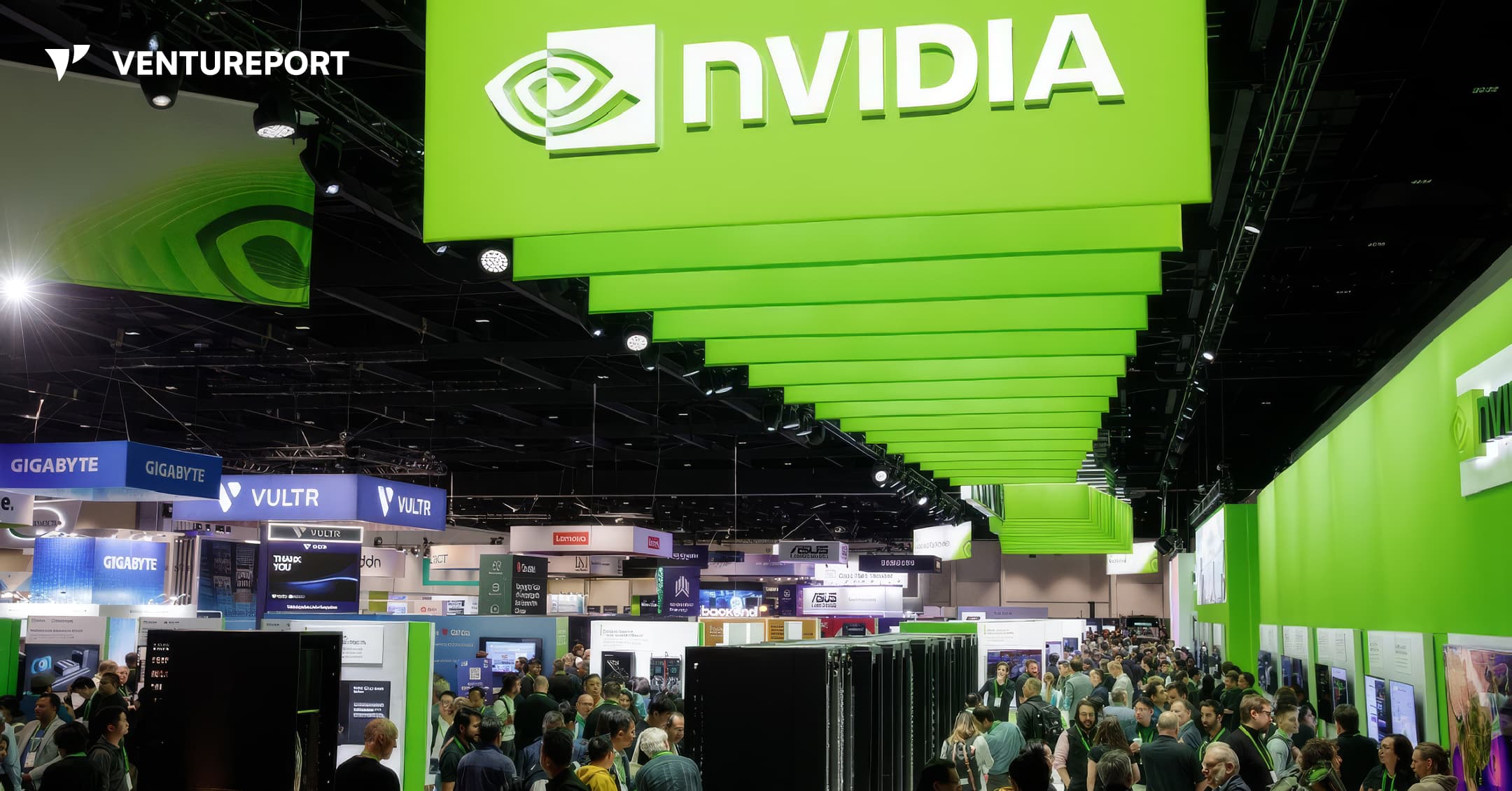
NVIDIA GTC 2026. PHOTO: NVIDIA
At NVIDIA GTC 2026 in Palo Alto, a group of 16 Taiwanese startups used the global AI stage to do more than showcase products—they tested how far their technologies could travel beyond domestic markets. The delegation, led by Startup Island TAIWAN Silicon Valley Hub with support from Taiwan’s National Development Council, reflected a broader shift in the country’s role within the AI ecosystem.
The startups represented a mix of emerging areas including digital twins, robotics, AI agents and healthcare, aligning closely with enterprise AI adoption trends. Some gained formal visibility within NVIDIA’s ecosystem, with companies such as MetAI and Spingence featured in the Inception Program, while six others presented their work in the conference’s poster gallery. These formats allowed them to engage directly with developers, enterprise users and potential partners rather than simply exhibiting technology.
A defining feature of Taiwan’s presence this year was how closely startups operated alongside established hardware companies such as ASUS, AAEON and Compal. This setup reflected a vertically integrated model where infrastructure and applications are developed together, offering a clearer path from product development to deployment. It also underscored Taiwan’s gradual shift from being primarily a hardware supplier to participating more actively across the full AI stack.
Activity around the conference extended well beyond the exhibition floor. A Taiwan Demo Day held during the week drew more than 1,000 registrations and nearly 600 in-person attendees, bringing startups into contact with close to 200 international investors. The event focused on structured introductions and deal flow, positioning startups in front of venture firms and corporate innovation teams looking for AI applications.
Alongside these formal sessions, Taiwan Startup Night provided a more informal but equally strategic setting. With over 100 curated participants, including founders, investors and corporate representatives, the gathering created space for early-stage conversations that could evolve into partnerships or market entry opportunities. These interactions, while less visible than on-stage presentations, are often where initial collaboration takes shape.
Taken together, the events around GTC point to a more coordinated approach to international expansion. Through platforms like Startup Island TAIWAN, the emphasis is not just on visibility but on building continuity—connecting startups with investors, partners and customers across multiple touchpoints in a single week. As AI development increasingly spans chips, systems and applications, Taiwan’s presence at GTC suggests a more integrated role, where the focus is as much on enabling global deployment as it is on developing the technology itself.