
Bambi Dang's startup aims to turn attendees' needs into useful connections
Updated
November 26, 2026 2:58 PM

Bambi Dang, CEO of FunFox AI, during a panel discussion. PHOTO: BAMBI DANG
An attendee list may show someone's name, company and job title, but it may not tell you what they are looking for or whether they would be relevant to you.
That leaves attendees figuring out who is relevant, searching through attendee profiles and sending meeting requests themselves.
FunFox AI is Bambi Dang's attempt to take some of that work off attendees' hands. The startup is an AI matchmaking agent for professional events and communities, designed to help people find relevant connections based on their professional goals.
The process begins when an event organiser creates a FunFox link for a particular event and shares it with attendees. Attendees can then speak with FunFox's voice AI agent or type to share who they are, what they are working on, what they hope to achieve and the kind of people they want to meet. Dang prefers the voice-based approach because a natural conversation allows users to share more context than they might through a traditional form or static profile.
FunFox uses this information to identify relevant people within the event or community. Rather than simply matching people based on their profiles, it looks at what each person is seeking and what they can offer in return, creating matches based on mutual relevance.
Dang's experience in the startup ecosystem helped shape the idea. She worked in sales and marketing at an early-stage startup in Helsinki and later built an education platform for students preparing to study abroad. Through building companies and communities, she says she repeatedly saw how much value could come from putting the right people together.
Event organisers and community managers are FunFox AI's paying customers. They pay an annual subscription based on the number of events they organise and the total number of attendees, while attendees can use the platform without an additional fee.
However, getting organisers on board is not always straightforward. Many already rely on established event-management platforms that handle registration, ticketing, agendas and speakers. Dang says some of these providers have multi-year agreements with organisers, making it harder for FunFox to introduce another tool into their existing workflows. The challenge at the moment is to show organisers why they need a dedicated matchmaking solution alongside the systems they already use.
The company is now moving beyond its initial pilot stage. Dang said the pilot events have been successful and FunFox is entering its first agreements with paying customers, including startup ecosystems. The team is also working with these customers to organise events together.
For now, her focus remains on developing the product and working closely with customers. She is open to exploring investor interest further when the time is right.
Keep Reading
The collaboration between Oversonic Robotics and STMicroelectronics highlights how robotics is beginning to fill gaps traditional automation cannot.
Updated
January 23, 2026 10:41 AM
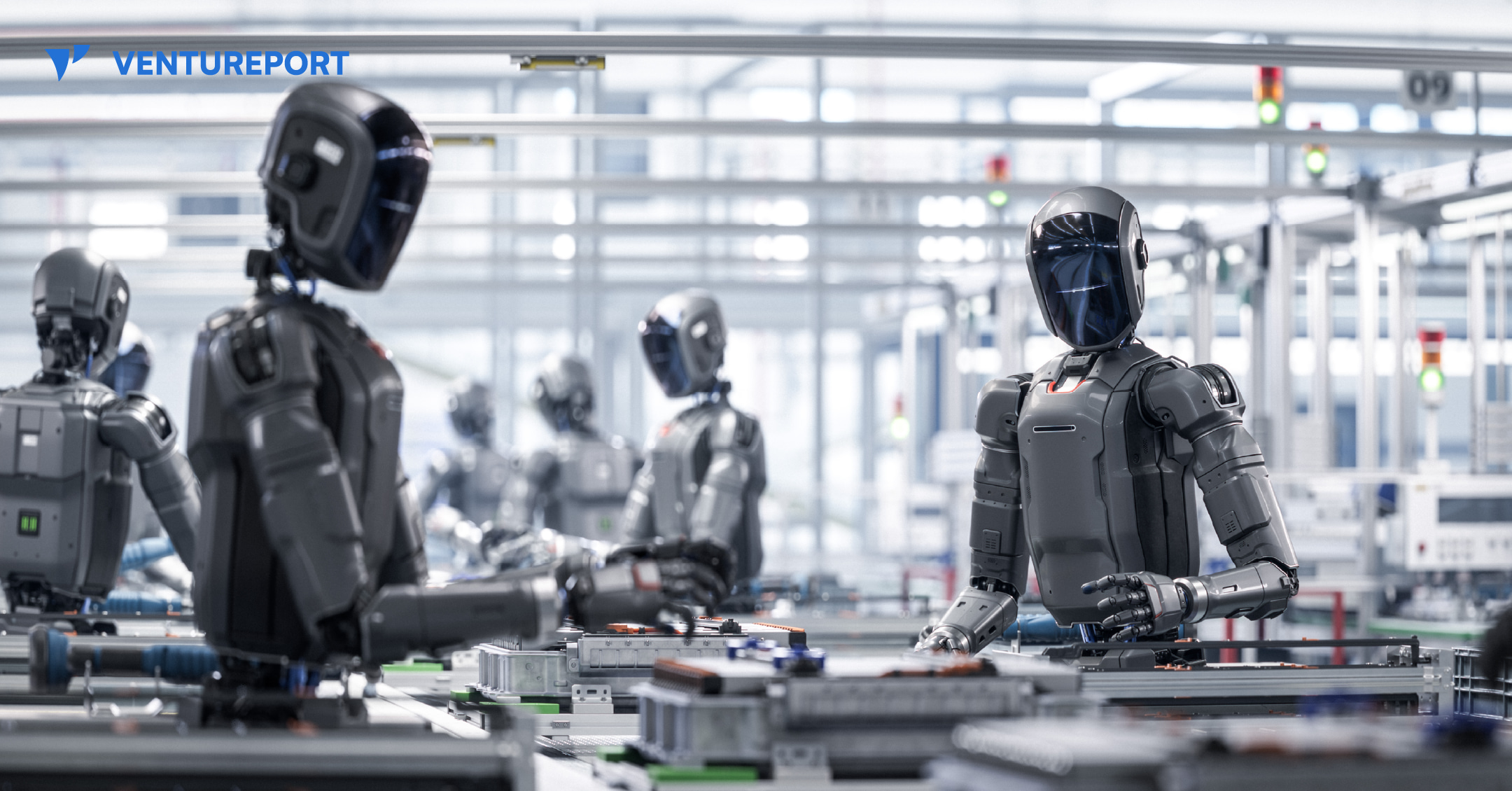
3D render of humanoid robots working in a factory assembly line. PHOTO: ADOBE STOCK
Oversonic Robotics, an Italian company known for building cognitive humanoid robots, has signed an agreement with STMicroelectronics, one of the world’s largest semiconductor manufacturers, to deploy humanoid robots inside semiconductor plants.
According to the companies, this is the first time cognitive humanoid robots will be used operationally inside semiconductor manufacturing facilities. And the first deployment has already taken place at ST’s advanced packaging and test plant in Malta.
At the center of the collaboration is RoBee, Oversonic’s humanoid robot. RoBee is designed to carry out support tasks within industrial environments, particularly where flexibility and interaction with human workers are required. In ST’s factories, the robots will assist with complex manufacturing and logistics flows linked to new semiconductor products. They are intended to work alongside existing automation systems, not replace them.
RoBee is notable for its ability to operate in environments shared with people. It is currently the only humanoid robot certified for use in both industrial and healthcare settings and is already in operation within several Italian companies. The robot is also being used in experimental hospital programs. That background helped position RoBee for deployment in tightly controlled manufacturing environments such as semiconductor plants.
Fabio Puglia, President of Oversonic Robotics, described the agreement as a milestone for deploying humanoid robots in complex industrial settings: “The partnership with STMicroelectronics is a great source of pride for us because it embodies the vision of cognitive robotics that Oversonic has brought to the industrial and healthcare markets. Being the first to introduce cognitive humanoid robots in a sophisticated production context such as semiconductors means measuring ourselves against the highest standards in terms of reliability, safety and operational continuity. This agreement represents a fundamental milestone for Oversonic and, more generally, for the industrial challenges these new machines are called to face in innovative and highly complex environments, alongside people and supporting their quality of work”.
From STMicroelectronics’ side, the use of humanoid robots is framed as part of a broader effort to manage growing manufacturing complexity. he company said RoBee will support complex tasks and help manage the intricate production flows required by newer semiconductor products. It is also expected to contribute to improved product quality and shorter manufacturing cycle times. The robots are designed to integrate with existing automation and software systems, helping improve safety and operational continuity.
In semiconductor manufacturing, precision and reliability leave little room for experimentation. Therefore, introducing humanoid robots into this environment signals a practical shift. It shows how robotics is starting to fill gaps that traditional automation has struggled to address.