
Bambi Dang's startup aims to turn attendees' needs into useful connections
Updated
November 25, 2026 6:03 AM

Bambi Dang, CEO of FunFox AI, during a panel discussion. PHOTO: FUNFOX
An attendee list may show someone's name, company and job title, but it may not tell you what they are looking for or whether they would be relevant to you.
That leaves attendees figuring out who is relevant, searching through attendee profiles and sending meeting requests themselves.
FunFox AI is Bambi Dang's attempt to take some of that work off attendees' hands. The startup is an AI matchmaking agent for professional events and communities, designed to help people find relevant connections based on their professional goals.
The process begins when an event organiser creates a FunFox link for a particular event and shares it with attendees. Attendees can then speak with FunFox's voice AI agent or type to share who they are, what they are working on, what they hope to achieve and the kind of people they want to meet. Dang prefers the voice-based approach because a natural conversation allows users to share more context than they might through a traditional form or static profile.
FunFox uses this information to identify relevant people within the event or community. Rather than simply matching people based on their profiles, it looks at what each person is seeking and what they can offer in return, creating matches based on mutual relevance.
Dang's experience in the startup ecosystem helped shape the idea. She worked in sales and marketing at an early-stage startup in Helsinki and later built an education platform for students preparing to study abroad. Through building companies and communities, she says she repeatedly saw how much value could come from putting the right people together.
Event organisers and community managers are FunFox AI's paying customers. They pay an annual subscription based on the number of events they organise and the total number of attendees, while attendees can use the platform without an additional fee.
However, getting organisers on board is not always straightforward. Many already rely on established event-management platforms that handle registration, ticketing, agendas and speakers. Dang says some of these providers have multi-year agreements with organisers, making it harder for FunFox to introduce another tool into their existing workflows. The challenge at the moment is to show organisers why they need a dedicated matchmaking solution alongside the systems they already use.
The company is now moving beyond its initial pilot stage. Dang said the pilot events have been successful and FunFox is entering its first agreements with paying customers, including startup ecosystems. The team is also working with these customers to organise events together.
For now, her focus remains on developing the product and working closely with customers. She is open to exploring investor interest further when the time is right.
Keep Reading
Because running a café takes more than just a good roast
Updated
April 13, 2026 3:18 PM
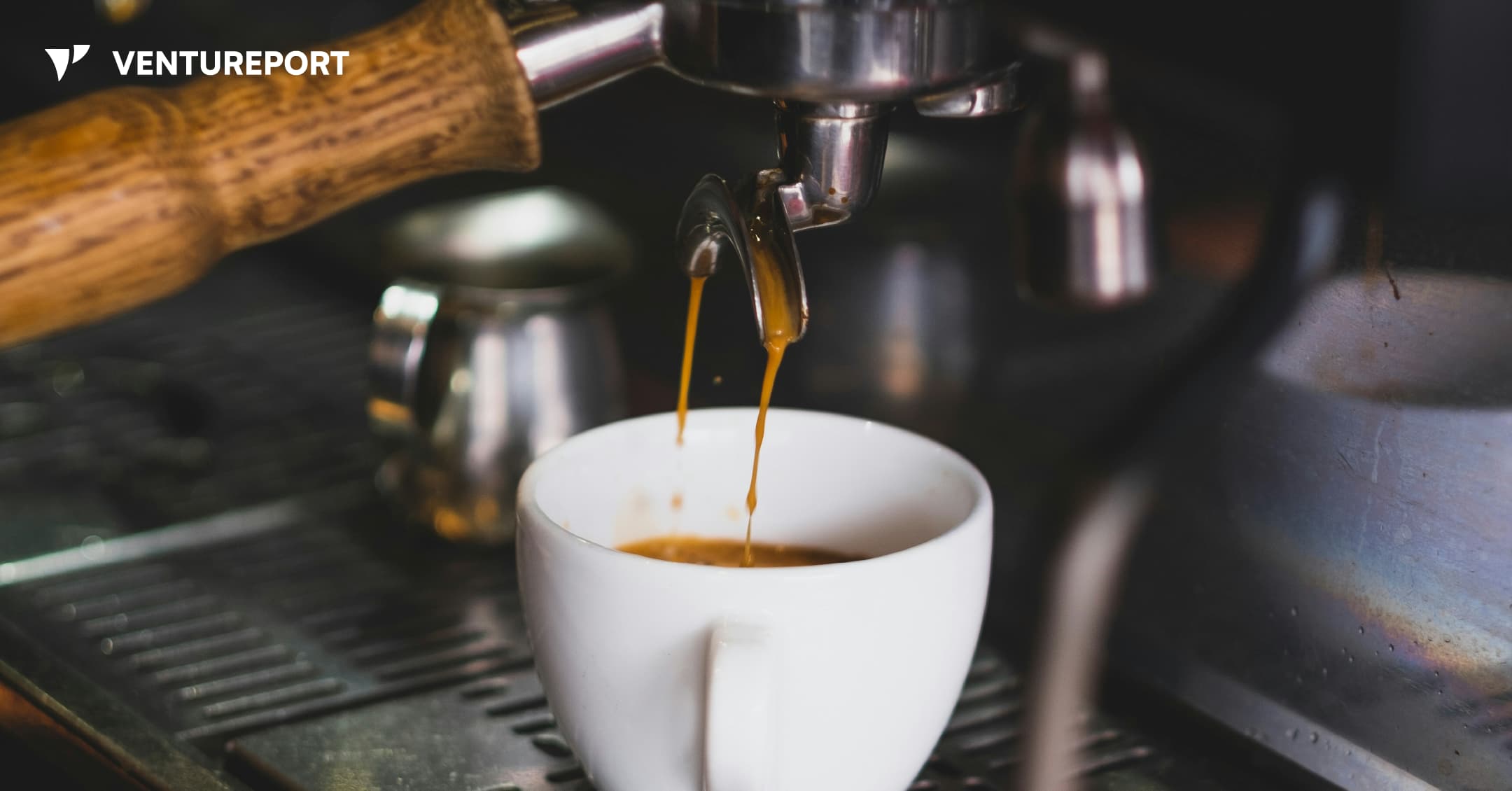
A cup of espresso being brewed. PHOTO: UNSPLASH
Coffee has grown beyond being just a drink—it’s part of culture, connection and even a daily productivity hack. Think about it: friends catch up over cappuccinos, professionals start the day with a quick espresso and students practically live on iced lattes during exams. It’s woven into routines, with two-thirds of American adults consuming coffee on a daily basis and averaging around three cups per day. That is much higher than other beverages like tea, juice and bottled water. It is therefore no surprise that the global coffee shop industry is projected to reach about US$123.43 billion by 2030. For entrepreneurs, that makes coffee shops more than cozy corners with good aesthetics. They’re a real business opportunity. But before you open a coffee shop, here are five things you should know.
Like any small business, the success of your coffee shop often hinges on where it is. Coffee may have broad appeal, but daytime foot traffic and visibility can still make the difference between a busy café and one that struggles to stay afloat. Opening near universities, office parks, co-working hubs or residential neighbourhoods with young professionals can instantly give you a strong stream of potential customers.
That said, choosing a coffee shop location is not just about picking a busy area. You also need to know your target market. For example, opening a third-wave specialty coffee shop in a low-income neighbourhood may not work if your prices are beyond what local residents want to pay. The same café might perform much better in a more affluent or fast-changing district.
Competition matters a lot in the equation too. Walk around the area and see what other coffee shops are doing. The goal is not always to avoid competition but to find a gap in the market. If nearby cafés focus on quick grab-and-go drinks, there may be room for a slower, more community-driven coffee shop built around hand-poured brews and a relaxed atmosphere. Simply put, your shop’s exact street address could make or break your business.
It’s important to understand this early on: running a coffee shop is not just about serving coffee. Customers today have endless options, from making coffee at home to buying from major chains like Starbucks. What brings them through your doors is often the overall experience.
According to a report by Salesforce, 91% of customers say they’re more likely to make another purchase after a great service experience. That means your café needs to give people a reason to stay, come back and recommend it to others. Maybe it is the interior design, the playlist that feels just right, the reliable Wi-Fi, the convenient charging points or simply the way the space feels. Remember, good coffee gets people in once, but a strong customer experience gives them a reason to return.
Opening a modest-sized sit-down café in the U.S. can cost anywhere between US$100,000 and US$350,000. The final number depends on your location, your coffee shop concept, your equipment and how much you spend on the fit-out and interior design. Beyond those startup costs, your monthly expenses—like rent, utilities, staff salaries and coffee bean purchases—will play a huge role in whether your business survives the first year.
Profit margins in coffee retail are thinner than new owners expect. On average, small to medium-sized coffee shops make a 3-10% profit margin, which means efficiency is key. Selling higher-margin items like snacks, light bites and pastries can help lift revenue. A US$2 slice of banana bread, for example, may cost cents to make but can still raise the average spend per customer.
You also need to factor in seasonality when planning your coffee shop revenue. For instance, in warmer months, there is usually higher demand for iced and cold beverages. Many cafés respond by introducing cold brew, iced teas, smoothies or limited seasonal drinks to their menus. That helps keep sales steady and protects the average ticket size throughout the year. At the end of the day, running a café is just as much about managing the numbers as it is about serving great coffee.
A barista isn’t just someone pulling espresso shots; they’re often the face of your coffee shop. A warm smile, remembering a regular’s order or sharing a fun fact about the beans can create the kind of connection that keeps customers coming back.
As specialty coffee culture boomed in the early 2010s, baristas became more than brewers—they are now guides and storytellers. By talking about coffee origin, processing methods, bean varieties and roast profiles, they help customers understand what they are buying and why it matters. That mix of knowledge and personality can have a real impact on customer loyalty.
That’s why hiring and retaining great baristas is one of the smartest investments a café owner can make. Beyond competitive pay, creating a workplace where people feel valued also matters. Training, room for creativity and a sense of pride in the craft can go a long way in helping staff stay engaged.
Opening a coffee shop is exciting, but opening the doors and hoping people walk in is not enough. Good coffee shop marketing today is less about spending big and more about telling a story people want to follow. Well before you launch, start building hype and share behind-the-scenes snippets on Instagram, whether that is taste-tests, design decisions or even the messy parts of setting up the space. That kind of content feels real and helps build anticipation.
Once your café is open, think beyond basic promotion. Loyalty programs, collaborations with local businesses or even hosting events like poetry nights, art exhibits or coffee cupping sessions can all help bring people in. Social media is useful here too; it is not only a place to post latte art but also where you show what your brand stands for. Do you focus on sustainability? Do you source coffee ethically? Do you support local artists? Those details humanize your brand and make your café more than just a pitstop for caffeine.
Overall, opening a coffee shop blends passion, community and entrepreneurship. It also requires clear thinking and strong business decisions. From choosing the right location and creating a memorable customer experience to managing costs and building a great team, success takes more than just brewing good coffee. If you treat your coffee shop as both a craft and a business, you give it a much better chance of becoming a local favourite.