
Join us at CVCF 2026 to explore how startups can scale and win in the age of AI.
Updated
October 29, 2026 11:39 PM
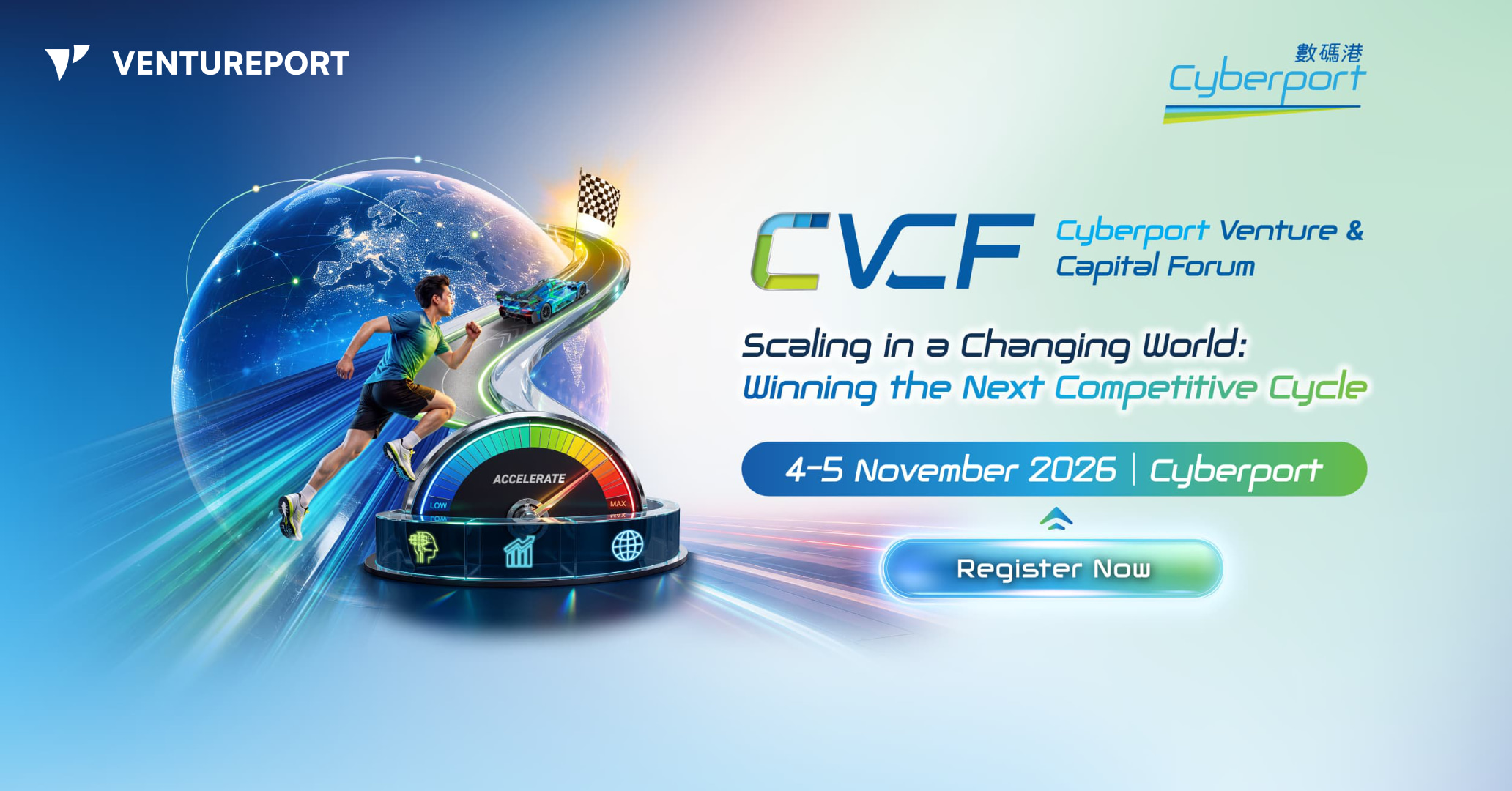
CVCF 2026 takes place on 4–5 November at Cyberport, Hong Kong. IMAGE: CYBERPORT
AI can help you build a startup, but it won’t automatically make you stand out. When everyone has access to similar tools, you need to give customers a reason to choose you and investors a reason to back you. So, how do you turn innovation into a competitive edge?
That question sits at the heart of Cyberport Venture & Capital Forum (CVCF) 2026, taking place on 4–5 November under the theme “Scaling in a Changing World: Winning the Next Competitive Cycle” and the message “Scale Up & Win.”
The two-day forum will feature more than 80 speakers discussing venture investment, AI-driven growth, emerging technologies and expansion into new markets. Day 1 will explore global investment trends and the next wave of innovation. Day 2 will feature CVCF 2026’s spotlight event, the Agentic Economy Summit, examining how agentic AI and digital assets could reshape business and finance. The wider programme will also include investor matching, founder pitches, 100+ Innovator Showcase, startup workshops and clinics.
With founders and investors navigating a fast-changing technology landscape, CVCF 2026 will explore what it takes to stay competitive, scale into new markets and turn emerging opportunities into business growth. Here’s a look at the key programmes lined up for this year’s forum.
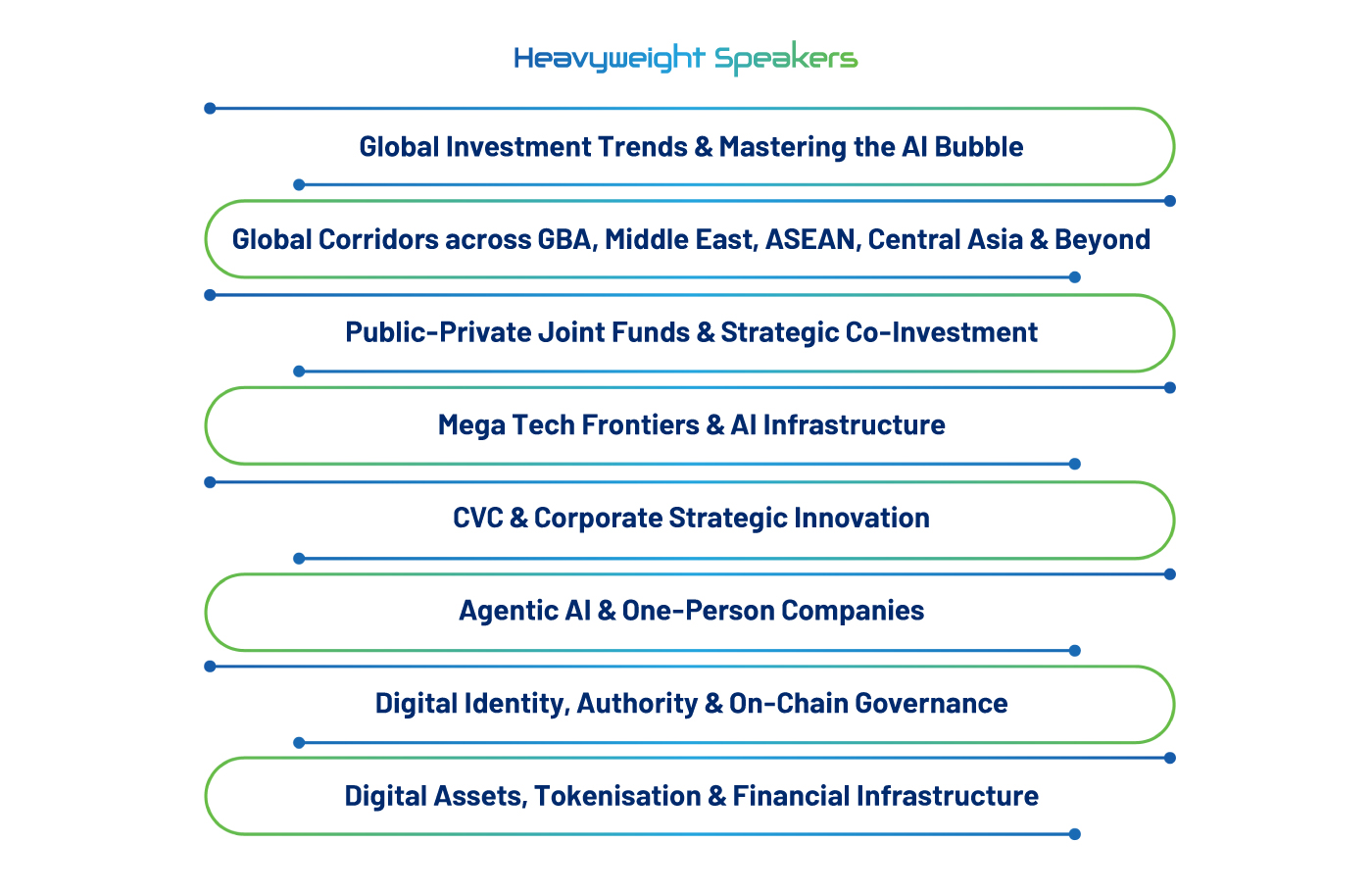
Keynotes and Panels: Finding the Next Big Opportunity
Taara founder and CEO Mahesh Krishnaswamy will deliver the keynote The Innovation Playbook: Capitalizing on Moonshots and Faster Cycles in the Age of AI. The wider Day 1 programme will cover global investment trends, expansion into new markets, agentic AI and one-person companies.
For startups navigating the AI market, the panel Mastering the AI Bubble: Capital Rerouting and How Global Champions Stand Out will bring together panellists from Quona Capital, Alumni Ventures, FOV Ventures and Capital6 to discuss how investors assess startups and distinguish commercial potential from market hype. Other sessions will explore emerging technologies beyond AI software, including embodied AI, advanced computing and commercial aerospace.
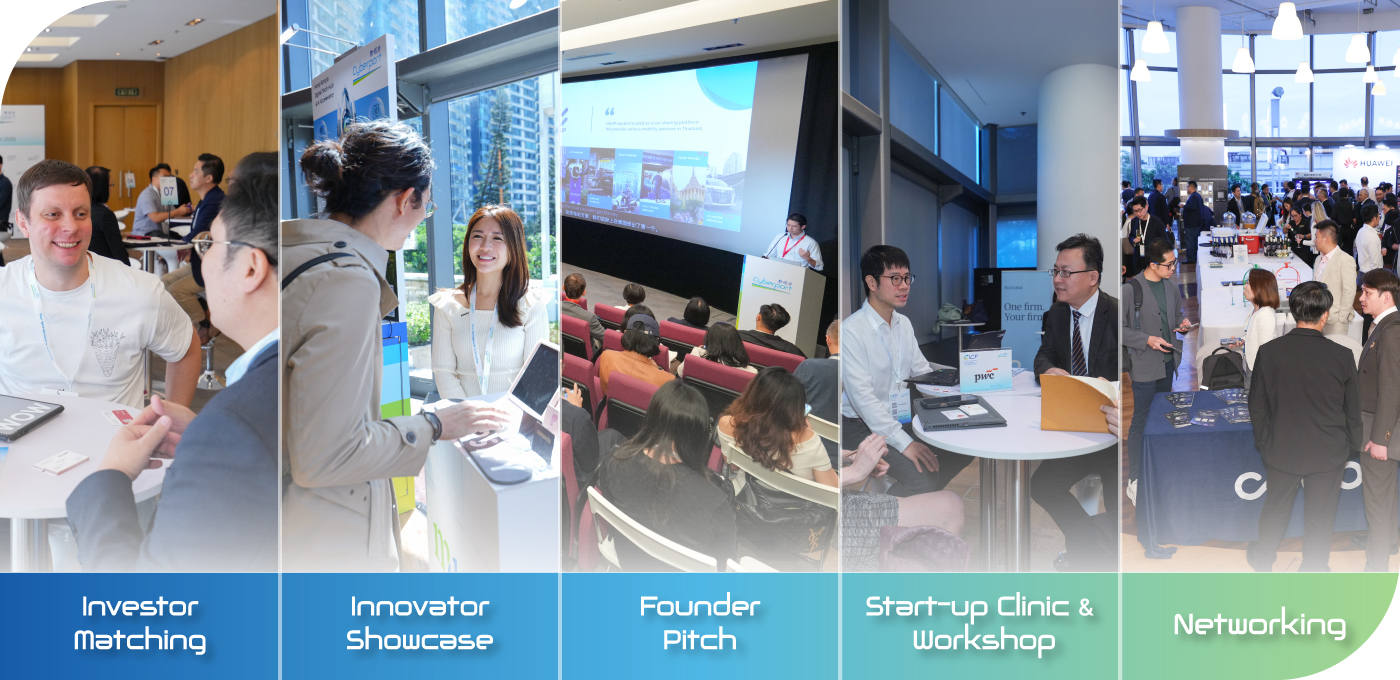
Investor Matching and Networking: Connecting with Capital
Away from the conference sessions, MatchEasy will help founders and investors arrange one-to-one meetings, either onsite or online. Confirmed participants will receive access to the platform to explore potential matches and schedule meetings.
Investors can also discover local and international startups through the Founder Pitch programme, where entrepreneurs present their projects and ventures. Meanwhile, the Innovator Showcase offers a separate opportunity to explore emerging technology solutions through a virtual platform and selected on-site exhibits.
For founders seeking more tailored guidance, the Startup Clinics will offer one-to-one discussions with industry experts and experienced entrepreneurs on business challenges, fundraising and growth. Advance registration is required.
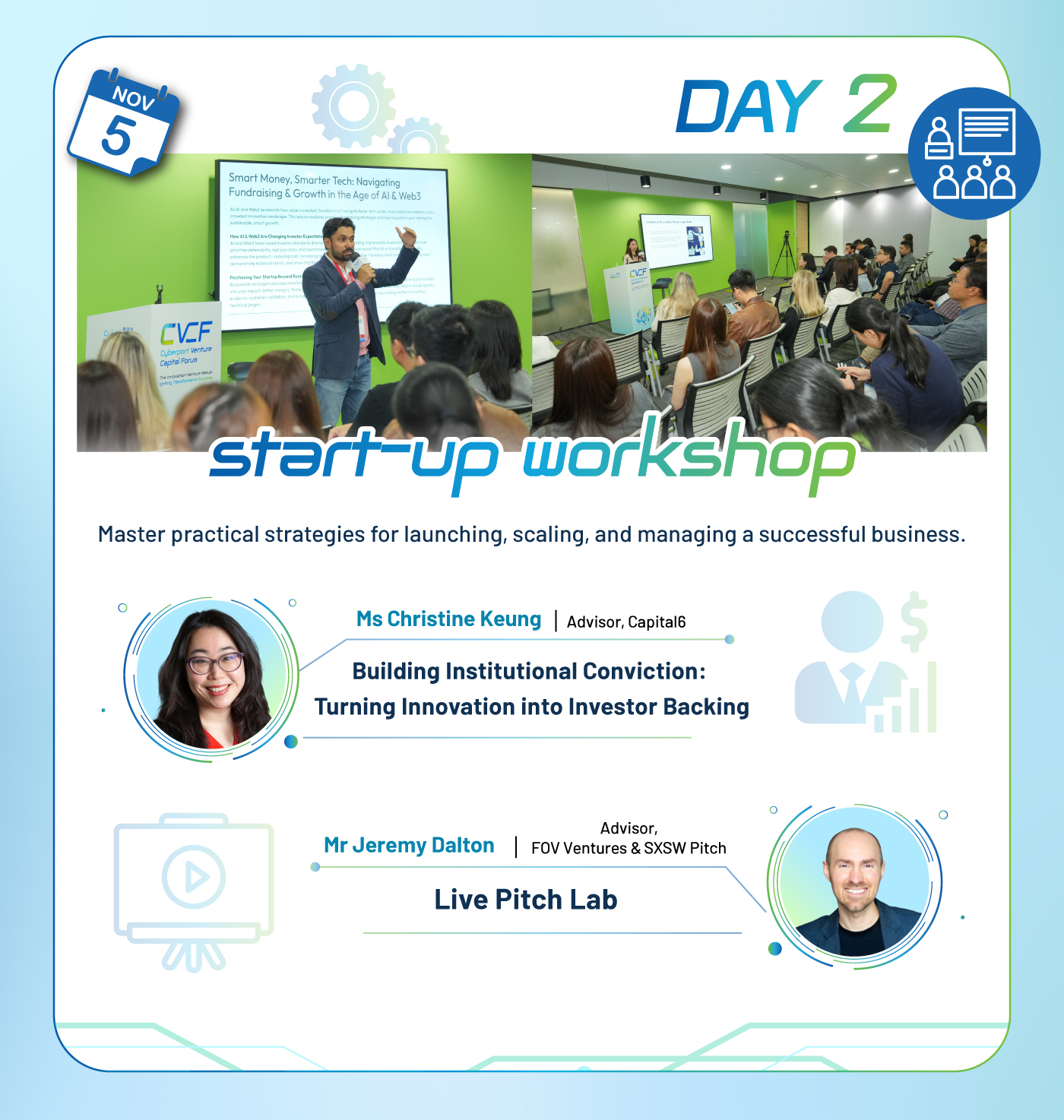
Hands-On Workshops: Strengthening Your Investment Pitch
Turning an innovative idea into a business that investors can back takes more than a strong pitch. CVCF 2026 will host practical workshops to help founders strengthen their fundraising strategies and make a stronger case to investors.
Led by Capital6 advisor Christine Keung, one workshop will explore how founders can align technical innovation with business goals, communicate their product’s value and prepare for fundraising. Another, led by Jeremy Dalton, advisor at FOV Ventures and SXSW Pitch, will help founders understand how investors assess startups, with opportunities to pitch live and receive direct feedback.

CVCF 2026’s spotlight event, the Agentic Economy Summit, will take place on 5 November under the theme “Intelligent Frontiers, Tokenised Horizons: Where Agentic AI Reshapes Business and Digital Assets Redefine How Value Moves.”
The summit will bring together technology and finance leaders to explore how agentic AI and digital assets could change the way businesses operate. Wolf Ruzicka, chief commercial officer at Unlimit, a global payments company, will discuss building and scaling agentic AI applications. Dr Feng Xiao, chairman and CEO of HashKey Group, will examine how digital identity, tokenised assets and money connect on-chain.
The discussions will also look at agent-led commerce, including how AI agents could help customers choose products and make purchases, and the payment systems needed to support these transactions. Other topics include Hong Kong dollar stablecoins and their potential role in payments and settlement, as well as the rise of one-person companies. The summit will also explore how founders can use AI agents to run their businesses with smaller teams, find customers and generate recurring revenue.
From AI-driven growth and cross-border investment to agentic AI and digital assets, CVCF 2026 brings together the people and ideas shaping the next phase of business. Whether you're preparing to raise capital, exploring new markets or assessing emerging technologies, the forum offers an opportunity to gain fresh perspectives and connect with investors, founders and industry leaders.
Exclusive for Ventureport readers: Use the promotional code cvcf26vp to access a Full Access Pass for HK$300, subject to confirmation of the offer by the organiser.
Date: 4–5 November 2026
Function Rooms, Level 3, Core E, Cyberport 3, Hong Kong
Keep Reading
The Influencer Evolution: Recognizing the Power and Potential of Each Type.
Updated
January 8, 2026 6:35 PM

A group of people filming a video for social media. PHOTO: UNSPLASH
In an era where social media reigns supreme, influencers have emerged as powerful players in the marketing game. They have the ability to sway opinions, drive trends, and create waves of engagement that brands can only dream of. But not all influencers are created equal; they come in various shapes and sizes, each with a unique approach to connecting with their audience. Under standing the different types of influencers can illuminate how they impact our daily lives and the choices we make. Let’s dive into the captivating world of influencers and explore the diverse categories that define them.
When you think of influencers, mega influencers are often the first that come to mind. These are the A-list celebrities, athletes, and global icons with millions of followers on platforms like Instagram, TikTok, and YouTube. Their immense reach allows brands to tap into vast audiences, making them highly sought after for endorsements.
Mega influencers have the power to generate instant buzz around a product or campaign. Their celebrity status lends credibility, and fans are often eager to emulate their lifestyles. However, this type of influencer can come with a hefty price tag, making them suitable for brands with substantial marketing budgets.
Just below the mega influencers are macro influencers, who typically boast between 100,000to 1 million followers. While they may not have the same level of fame as celebrities, macro influencers often command a loyal and engaged audience. They are usually experts in specific niches, such as fitness, beauty, travel, or technology.
Macro influencers combine reach with relevance. Their targeted expertise allows brands to connect with specific demographics, making them an ideal choice for campaigns aimed at niche markets. Their followers often view them as relatable and trustworthy, which can lead to higher engagement rates.
Micro influencers are the rising stars of the influencer world, typically having between 10,000 to 100,000 followers. What sets them apart is their authentic connection with their audience. They often have a more intimate relationship with their followers, leading to higher engagement and trust.
Brands are increasingly turning to micro influencers for their ability to create genuine conversations around products. The cost-effectiveness of partnering with micro influencers also allows brands to run multiple campaigns across different influencers, amplifying their reach while maintaining authenticity.
At the bottom of the influencer hierarchy are nano influencers, who have 1,000 to 10,000 followers. While their follower count may be modest, nano influencers often possess a highly engaged audience that views them as close friends, families or peers rather than celebrities.
Nano influencers are perfect for brands looking to create grassroots campaigns. Their genuine enthusiasm and relatability can lead to strong word-of-mouth marketing. Engaging with nano influencers often comes at a lower cost, making them an attractive option for small businesses and startups.
Brand ambassadors are influencers who have a long-term relationship with a brand, often representing them across multiple campaigns. They can fall into any of the previous categories but are distinguished by their commitment to the brand and its values.
By cultivating brand ambassadors, companies can create consistent messaging and foster loyalty among customers. These influencers often resonate with audiences more deeply, as they embody the brand’s identity and promote its products authentically over time.
The world of influencers is as diverse as it is dynamic, with each type offering unique advantages for brands looking to connect with consumers. From the glitzy allure of mega influencers to the genuine relatability of nano influencers, understanding these categories can help brands make informed choices in their marketing strategies. As the digital landscape continues to evolve, the role of influencers will only grow, shaping trends and driving engagement in ways we are just beginning to comprehend. By leveraging the right type of influencer, brands can effectively navigate this vibrant ecosystem, ensuring their message resonates with the audiences that matter most.