
Join us at CVCF 2026 to explore how startups can scale and win in the age of AI.
Updated
October 29, 2026 11:39 PM
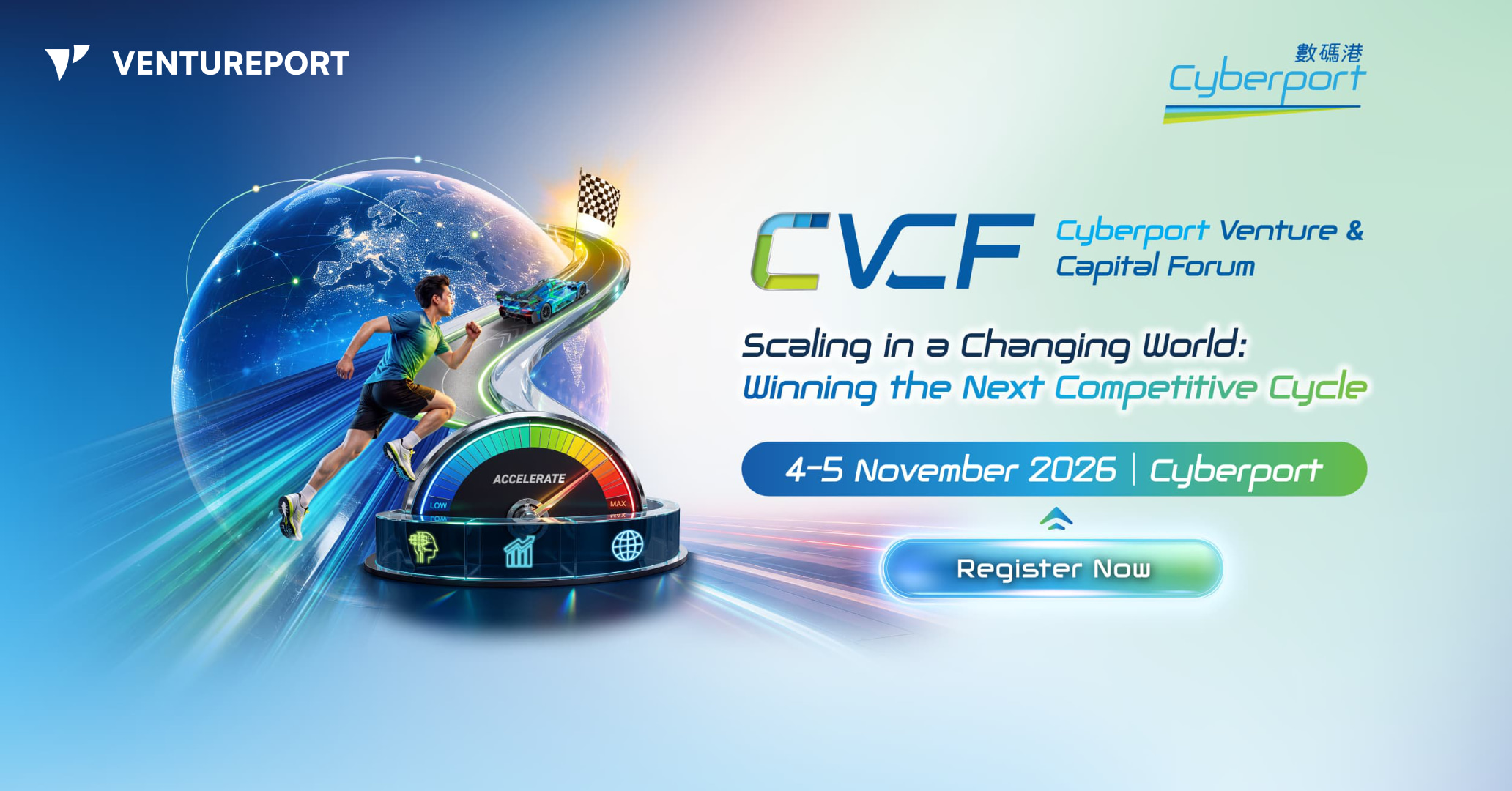
CVCF 2026 takes place on 4–5 November at Cyberport, Hong Kong. IMAGE: CYBERPORT
AI can help you build a startup, but it won’t automatically make you stand out. When everyone has access to similar tools, you need to give customers a reason to choose you and investors a reason to back you. So, how do you turn innovation into a competitive edge?
That question sits at the heart of Cyberport Venture & Capital Forum (CVCF) 2026, taking place on 4–5 November under the theme “Scaling in a Changing World: Winning the Next Competitive Cycle” and the message “Scale Up & Win.”
The two-day forum will feature more than 80 speakers discussing venture investment, AI-driven growth, emerging technologies and expansion into new markets. Day 1 will explore global investment trends and the next wave of innovation. Day 2 will feature CVCF 2026’s spotlight event, the Agentic Economy Summit, examining how agentic AI and digital assets could reshape business and finance. The wider programme will also include investor matching, founder pitches, 100+ Innovator Showcase, startup workshops and clinics.
With founders and investors navigating a fast-changing technology landscape, CVCF 2026 will explore what it takes to stay competitive, scale into new markets and turn emerging opportunities into business growth. Here’s a look at the key programmes lined up for this year’s forum.
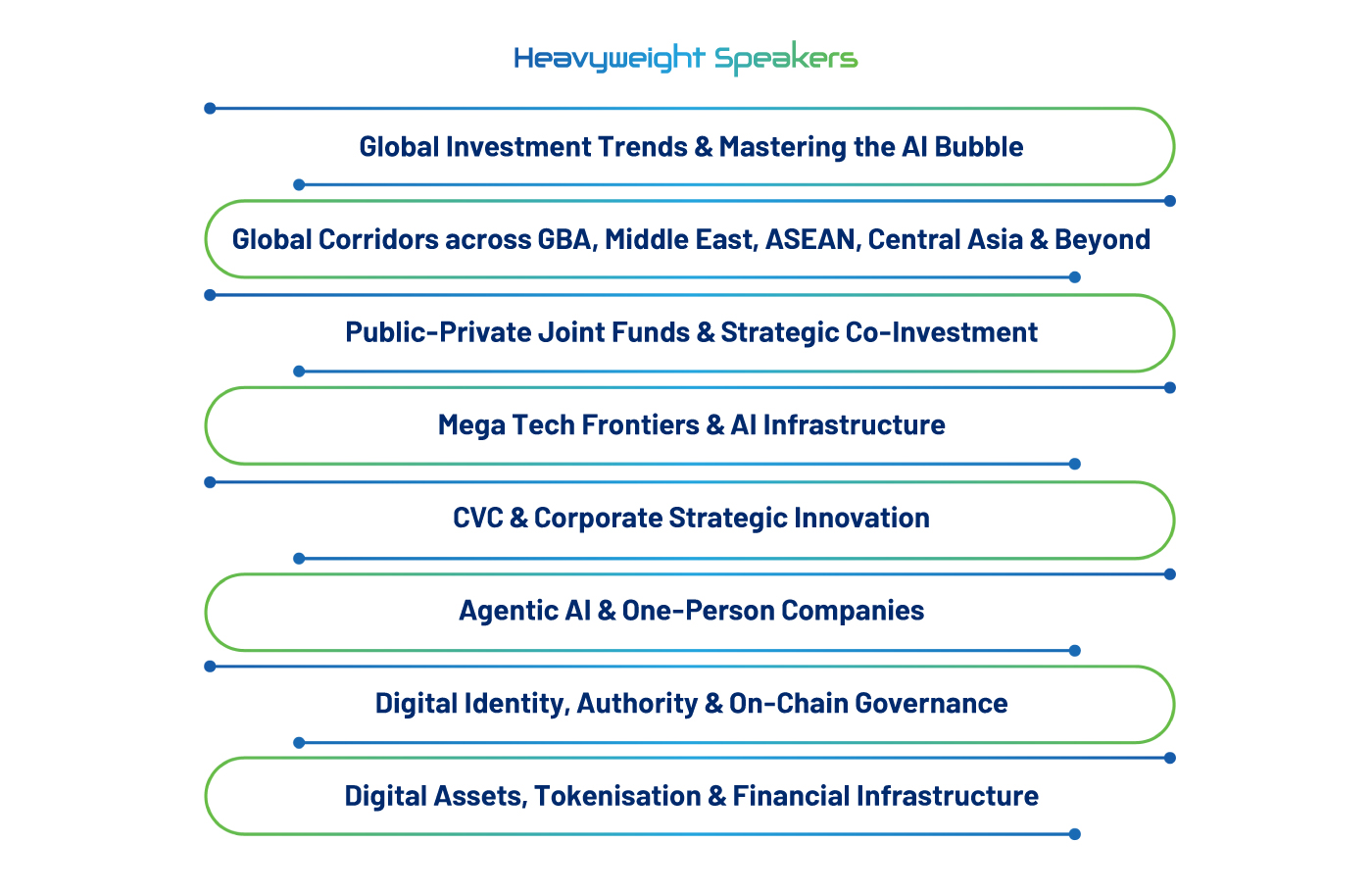
Keynotes and Panels: Finding the Next Big Opportunity
Taara founder and CEO Mahesh Krishnaswamy will deliver the keynote The Innovation Playbook: Capitalizing on Moonshots and Faster Cycles in the Age of AI. The wider Day 1 programme will cover global investment trends, expansion into new markets, agentic AI and one-person companies.
For startups navigating the AI market, the panel Mastering the AI Bubble: Capital Rerouting and How Global Champions Stand Out will bring together panellists from Quona Capital, Alumni Ventures, FOV Ventures and Capital6 to discuss how investors assess startups and distinguish commercial potential from market hype. Other sessions will explore emerging technologies beyond AI software, including embodied AI, advanced computing and commercial aerospace.
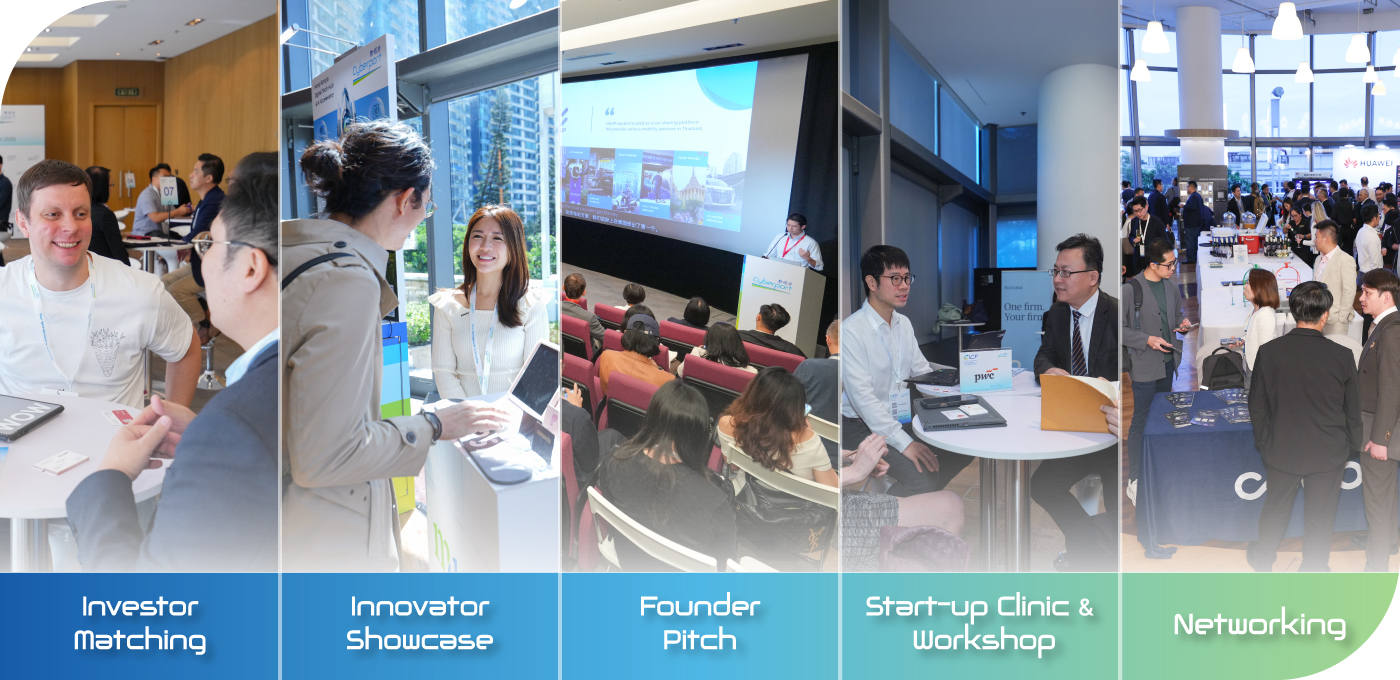
Investor Matching and Networking: Connecting with Capital
Away from the conference sessions, MatchEasy will help founders and investors arrange one-to-one meetings, either onsite or online. Confirmed participants will receive access to the platform to explore potential matches and schedule meetings.
Investors can also discover local and international startups through the Founder Pitch programme, where entrepreneurs present their projects and ventures. Meanwhile, the Innovator Showcase offers a separate opportunity to explore emerging technology solutions through a virtual platform and selected on-site exhibits.
For founders seeking more tailored guidance, the Startup Clinics will offer one-to-one discussions with industry experts and experienced entrepreneurs on business challenges, fundraising and growth. Advance registration is required.
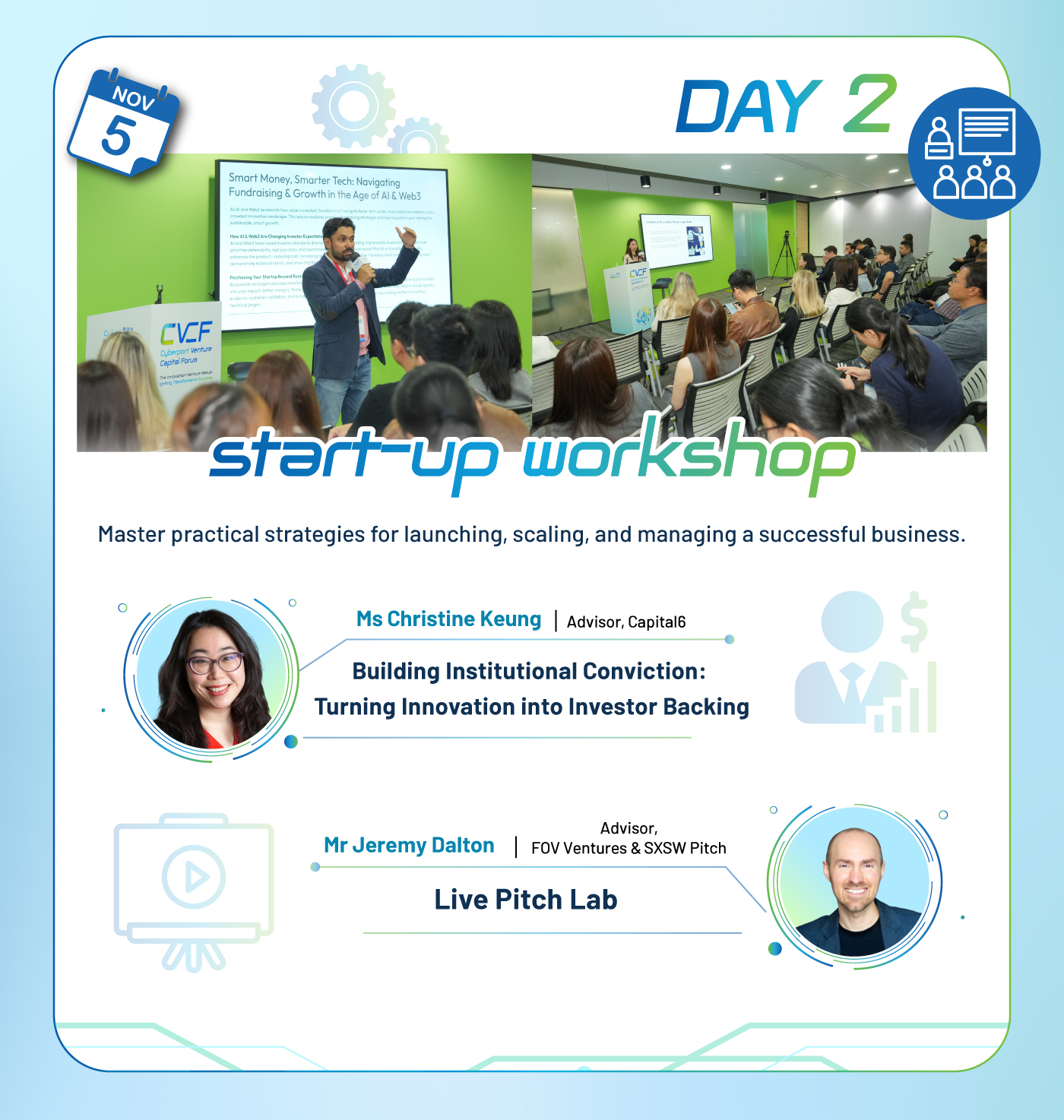
Hands-On Workshops: Strengthening Your Investment Pitch
Turning an innovative idea into a business that investors can back takes more than a strong pitch. CVCF 2026 will host practical workshops to help founders strengthen their fundraising strategies and make a stronger case to investors.
Led by Capital6 advisor Christine Keung, one workshop will explore how founders can align technical innovation with business goals, communicate their product’s value and prepare for fundraising. Another, led by Jeremy Dalton, advisor at FOV Ventures and SXSW Pitch, will help founders understand how investors assess startups, with opportunities to pitch live and receive direct feedback.
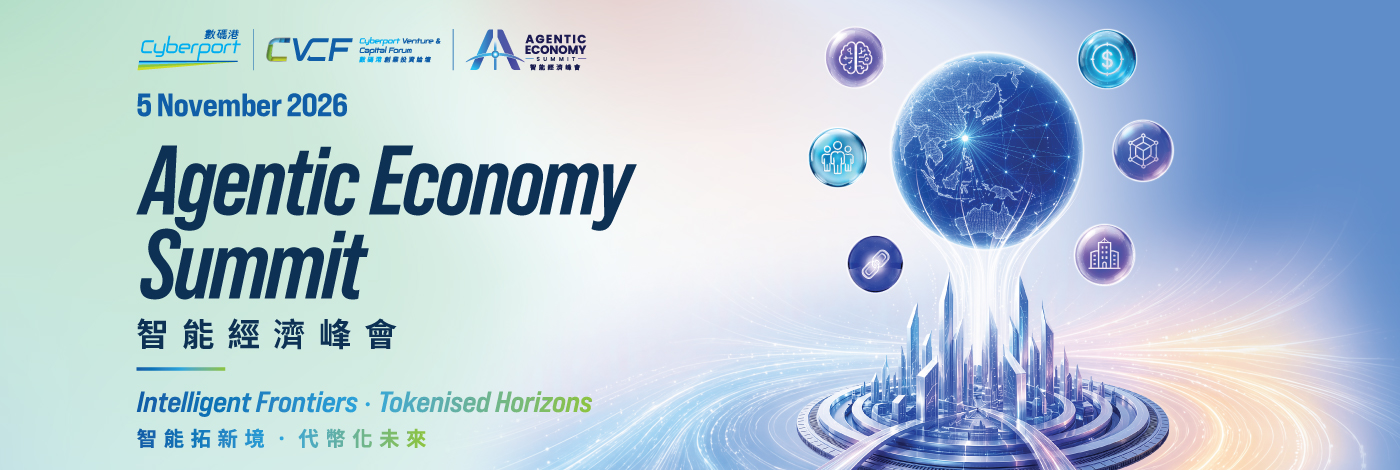
CVCF 2026’s spotlight event, the Agentic Economy Summit, will take place on 5 November under the theme “Intelligent Frontiers, Tokenised Horizons: Where Agentic AI Reshapes Business and Digital Assets Redefine How Value Moves.”
The summit will bring together technology and finance leaders to explore how agentic AI and digital assets could change the way businesses operate. Wolf Ruzicka, chief commercial officer at Unlimit, a global payments company, will discuss building and scaling agentic AI applications. Dr Feng Xiao, chairman and CEO of HashKey Group, will examine how digital identity, tokenised assets and money connect on-chain.
The discussions will also look at agent-led commerce, including how AI agents could help customers choose products and make purchases, and the payment systems needed to support these transactions. Other topics include Hong Kong dollar stablecoins and their potential role in payments and settlement, as well as the rise of one-person companies. The summit will also explore how founders can use AI agents to run their businesses with smaller teams, find customers and generate recurring revenue.
From AI-driven growth and cross-border investment to agentic AI and digital assets, CVCF 2026 brings together the people and ideas shaping the next phase of business. Whether you're preparing to raise capital, exploring new markets or assessing emerging technologies, the forum offers an opportunity to gain fresh perspectives and connect with investors, founders and industry leaders.
Exclusive for Ventureport readers: Use the promotional code cvcf26vp to access a Full Access Pass for HK$300, subject to confirmation of the offer by the organiser.
Date: 4–5 November 2026
Function Rooms, Level 3, Core E, Cyberport 3, Hong Kong
Keep Reading
How startups can use nostalgia marketing to build trust, spark loyalty and stand out with storytelling, vintage design and emotional connections.
Updated
January 8, 2026 6:35 PM
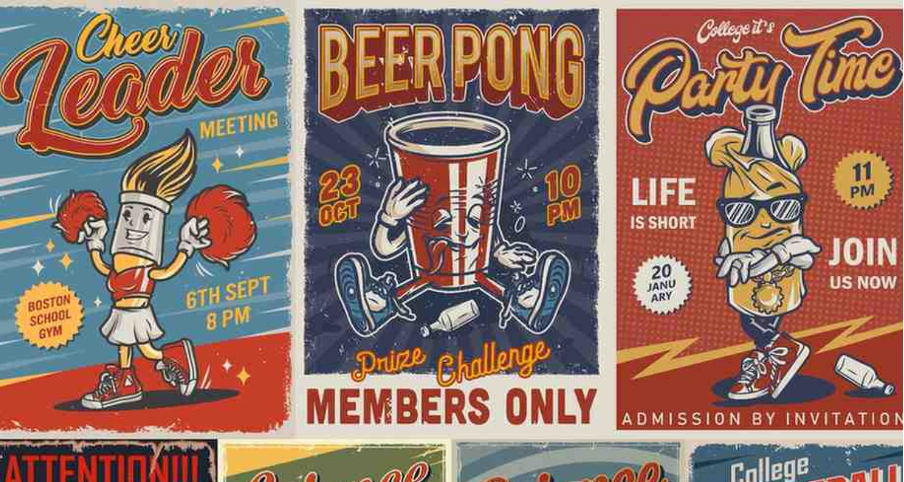
Vintage beer pong posters showcasing colorful, diverse designs from different eras in one collection. PHOTO: FREEPIK
Turning the subtle power of nostalgia into meaningful marketing.
Think of nostalgia as a time machine for brands—it doesn’t just take people back; it brings their emotions forward. And emotions sell. For those who are unfamiliar, nostalgia marketing is a strategy where brands use elements from the past—like familiar sights, sounds, or stories—to evoke warm memories and emotional connections with their audience.
This emotional pull isn’t just anecdotal—research shows its real impact: according to The Team and Forbes via The Drum, 80% of millennials and Gen Z are drawn to brands tapping into nostalgia, while 92% of consumers say nostalgic ads feel more relatable. And for startups competing in noisy markets, this is a goldmine.
In this article, we’ll explore why nostalgia marketing can be a game-changing strategy for your company.
Out of all the popular marketing methods—like influencer partnerships or attention-grabbing ad campaigns—nostalgia is unique because its impact starts intrinsically, in the brain. By triggering the release of dopamine, a reward-system neurotransmitter, Nostalgia evokes feelings of warmth, happiness and comfort. Consequently, people don’t just remember a moment—they relive it. Take, for instance, your favorite cereal brand bringing back childhood cartoon characters or using retro fonts and colors. You might choose it over a healthier breakfast option simply because it reminds you of the mornings you enjoyed as a kid. Similarly, speaking of stirring fond memories, Coca-Cola has mastered this effect, using classic holiday ads, vintage packaging, and iconic imagery. Those associations make people see Coke as more than a drink—it’s a familiar feeling they’re willing to pay extra for.
New marketing campaigns can spark curiosity but often trigger skepticism—especially when audiences lack prior connection to the brand. Nostalgia marketing breaks down this barrier by tapping into familiarity, using retro jingles, vintage fonts, pastel colors, or familiar packaging that immediately resonate. This recognition builds an emotional connection and trust with the brand. More importantly, it fosters social connectedness by making consumers feel part of a larger community—giving that reassuring “others remember this too” feeling. As a result, this sense of belonging reduces loneliness, strengthens warmth and trust, and encourages word-of-mouth sharing, naturally amplifying the campaign’s reach and impact.
While luxury brands can afford massive campaigns, startups and small businesses can tap into nostalgia as a cost-effective storytelling tool. In a world where marketing often chases the “next big thing”—from AI to futuristic tech—nostalgia offers the opposite: a chance to revisit the past. More importantly, nostalgia allows brands to stand out in a crowded, fast-scrolling feed by delivering something comfortingly familiar with a fresh twist. Think of Polaroid: in an age where smartphones boast crystal-clear cameras, it wins hearts with pastel hues, a vintage lens, and the tactile charm of instant prints—selling not just images, but a moment that feels straight out of the past.
The same principle worked brilliantly for Tiffany & Co., whose 185-year-old brand refresh featured Jay-Z and Beyoncé in a Breakfast at Tiffany’s-inspired campaign, blending timeless charm with contemporary star power and racking up millions of views. In essence, when done right, nostalgia doesn’t just market a product—it invites people to relive a story they already love.
Nostalgia resonates across generations speaking to diverse audiences. For Millennials, it’s a chance to relive the cultural touchpoints of their youth, while Gen Z approaches it with curiosity, eager to explore eras they never experienced firsthand. This crossover creates a unique marketing sweet spot: one group is driven by memory, the other by discovery. Pokémon proves this power by keeping lifelong fans engaged through retro trading cards while introducing younger audiences to its history. Similarly, Nike used nostalgia to bridge two different generations by reissuing retro classics, keeping both longtime fans and new sneakerheads excited. By appealing to both memory and curiosity, brands can create lasting connections that keep different generations engaged at once.
Nostalgia can be your startup’s non-cliché marketing mantra. Imagine a small bookstore that offers handwritten recommendation cards designed like vintage library checkout slips. This simple touch invites customers to slow down and rediscover the joy of reading. Or picture a local coffee shop serving drinks in mugs inspired by classic diner ware, evoking comforting memories of simpler times. Overall, the lesson is clear: combining nostalgic design with stories that connect people to shared moments creates emotional warmth and trust. Thoughtful nostalgia turns everyday products into meaningful experiences—building loyal communities eager to return.