
Discus Fish of Cobo and Samuel Tse of Animoca Brands discuss how AI agents, digital identity and blockchain could change the way money moves.
Updated
November 2, 2026 12:03 PM

The Agentic Economy Summit at CVCF 2026 explores how AI agents and digital assets could shape the future of business and finance. IMAGE: CYBERPORT
For an AI agent to manage money on someone’s behalf, it needs more than the ability to follow instructions. It must be able to establish whom it represents, access funds and transact within agreed limits.
These are among the questions informing the discussion of AI and digital assets at Cyberport Venture Capital Forum (CVCF) 2026. Ahead of the forum, Discus Fish, CEO and Co-founder of Cobo, and Samuel Tse, Head of Investment and Corporate Finance at Animoca Brands, shared their views on how this convergence could develop—and where they see opportunities for businesses.

Discus Fish points to a longstanding challenge: blockchain can be difficult for everyday users to navigate, but AI agents may find it easier to interact with these networks.
“Blockchains have always been hard for ordinary people to use. AI agents may be better users: the chain is fully transparent and every record is traceable, which suits agents well.”
His outlook comes with a qualification. Both the agents and the networks they would use still need to develop.
“Agents aren’t capable enough yet, and chains are still adapting. But once agents truly run on-chain, the number of users and what’s possible will grow by an order of magnitude.”
Discus Fish says blockchain could reshape how financial assets are issued, traded and settled over the next five years. He also notes that institutional adoption has progressed faster than Cobo initially expected, with individual users no longer leading the shift. “Since 2017, we have believed blockchain will become part of the financial infrastructure of the future. We expected individual users to lead, but institutions moved faster.”
For Fish, the next stage involves a broader range of assets and financial clients.
“What gets redefined next is how assets are issued, traded, and settled. As traditional assets like US equities come on-chain, a much wider range of financial clients will follow.”

Samuel Tse, Head of Investment and Corporate Finance at Animoca Brands, focuses on investment opportunities across digital assets and agentic AI. He sees digital identity as essential to allowing AI agents to act on behalf of people while keeping transactions within the permissions they set.
He believes users should set clear rules for what an AI agent can do, allowing it to complete transactions without requiring approval for each one.
“Once agents can prove who they represent, hold digital assets, and move value under clear rules, the economy stops being click-by-click. You set the policy once—who, how much, for what—and the agent transacts inside it.”
He describes applications ranging from everyday payments and transfers to subscriptions, swaps and earning returns on idle funds. “That’s agentic transactions: payments, transfers, subscriptions, swaps, even chasing a better rate on idle cash. Identity is the trust layer. Assets and credentials are the spending authority—always accountable to the human who granted permission.”
In Tse’s account, the human remains the source of that authority. The agent acts within the permissions granted to it.
To illustrate how AI agents, digital identity and digital assets might work together, Tse offers a hypothetical Hong Kong parent's weekday.
“A Hong Kong parent’s weekday: top up the child’s Octopus, book a weekend football slot, translate a school notice for the helper, check weather before pickup, restock milk at the member price, and keep leftover budget earning until tomorrow.”
At present, he says, completing these tasks requires navigating services that often operate separately.
“Today that means many apps that don't talk to each other, and rails that struggle with micro payments.”
His proposed alternative brings the tasks together under instructions established by the user.
“With an agent, they set the rules once and let it decide what to do. Identity unlocks trust and member prices without oversharing. Digital assets fit the money—per-use fees, hard limits, yield until spend.”
For Tse, this combination could create opportunities across payments, merchants, identity providers and digital-asset platforms. He compares the potential scale of agentic commerce to an earlier change in how consumers accessed services.
“The iPhone in 2007 rewired how people buy and use services for 20 years. We are just at the beginning of a similar paradigm shift, with outcomes we can barely imagine.”
Discus Fish and Samuel Tse offer two perspectives on the emerging agentic economy, from the blockchain infrastructure enabling transactions to the digital identity and permissions that allow AI agents to act on people's behalf. At CVCF 2026, these ideas will become part of a wider conversation with the leaders building and investing in this evolving space.
Be part of the conversation. Join industry leaders, founders and investors at CVCF 2026 on 4–5 November and explore the technologies and opportunities shaping the next phase of business.
Exclusive for Ventureport readers: Use code cvcf26vp to access a Full Access Pass for HK$300, subject to confirmation by the organiser.
Keep Reading
Because running a café takes more than just a good roast
Updated
April 13, 2026 3:18 PM
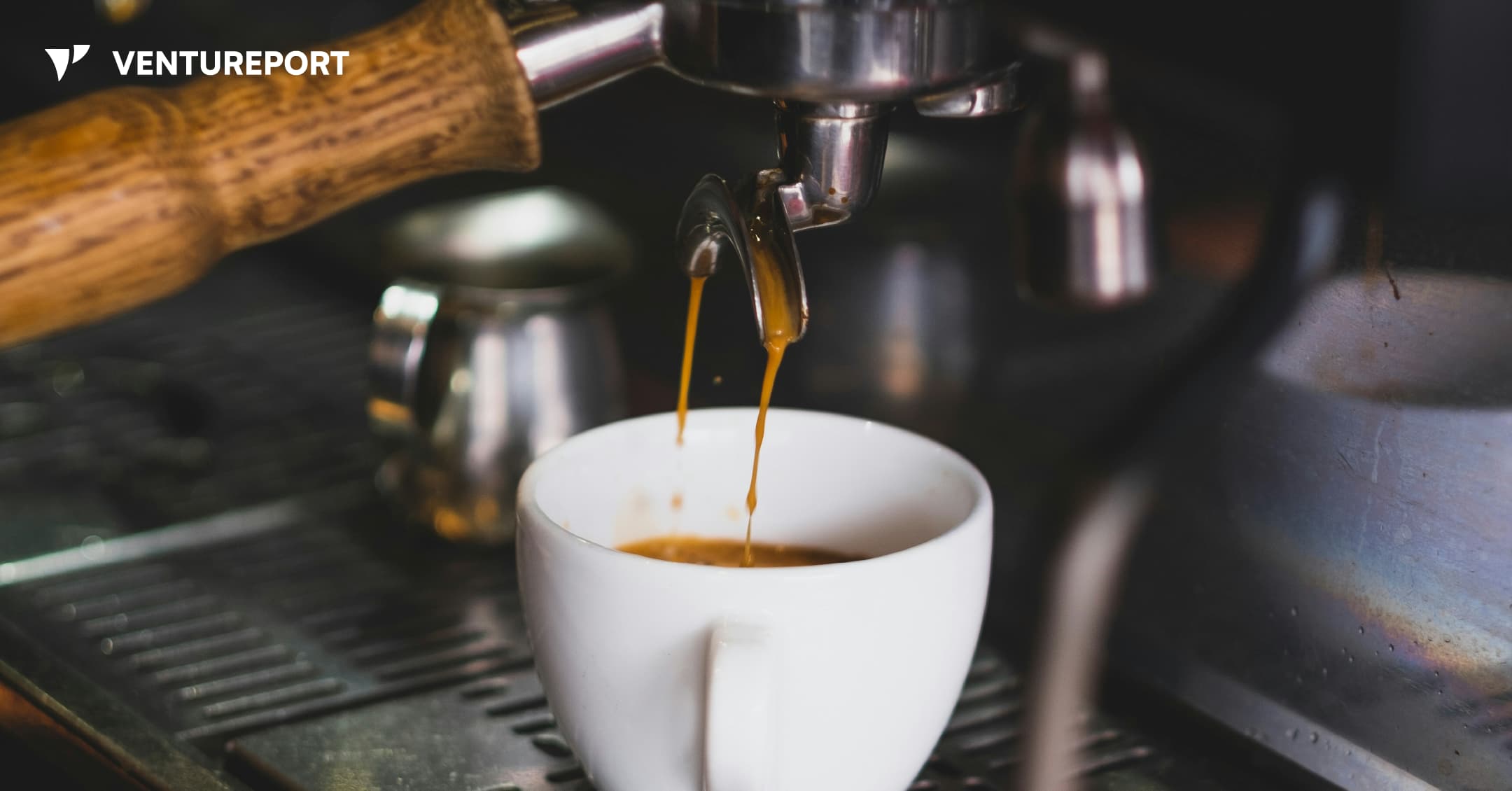
A cup of espresso being brewed. PHOTO: UNSPLASH
Coffee has grown beyond being just a drink—it’s part of culture, connection and even a daily productivity hack. Think about it: friends catch up over cappuccinos, professionals start the day with a quick espresso and students practically live on iced lattes during exams. It’s woven into routines, with two-thirds of American adults consuming coffee on a daily basis and averaging around three cups per day. That is much higher than other beverages like tea, juice and bottled water. It is therefore no surprise that the global coffee shop industry is projected to reach about US$123.43 billion by 2030. For entrepreneurs, that makes coffee shops more than cozy corners with good aesthetics. They’re a real business opportunity. But before you open a coffee shop, here are five things you should know.
Like any small business, the success of your coffee shop often hinges on where it is. Coffee may have broad appeal, but daytime foot traffic and visibility can still make the difference between a busy café and one that struggles to stay afloat. Opening near universities, office parks, co-working hubs or residential neighbourhoods with young professionals can instantly give you a strong stream of potential customers.
That said, choosing a coffee shop location is not just about picking a busy area. You also need to know your target market. For example, opening a third-wave specialty coffee shop in a low-income neighbourhood may not work if your prices are beyond what local residents want to pay. The same café might perform much better in a more affluent or fast-changing district.
Competition matters a lot in the equation too. Walk around the area and see what other coffee shops are doing. The goal is not always to avoid competition but to find a gap in the market. If nearby cafés focus on quick grab-and-go drinks, there may be room for a slower, more community-driven coffee shop built around hand-poured brews and a relaxed atmosphere. Simply put, your shop’s exact street address could make or break your business.
It’s important to understand this early on: running a coffee shop is not just about serving coffee. Customers today have endless options, from making coffee at home to buying from major chains like Starbucks. What brings them through your doors is often the overall experience.
According to a report by Salesforce, 91% of customers say they’re more likely to make another purchase after a great service experience. That means your café needs to give people a reason to stay, come back and recommend it to others. Maybe it is the interior design, the playlist that feels just right, the reliable Wi-Fi, the convenient charging points or simply the way the space feels. Remember, good coffee gets people in once, but a strong customer experience gives them a reason to return.
Opening a modest-sized sit-down café in the U.S. can cost anywhere between US$100,000 and US$350,000. The final number depends on your location, your coffee shop concept, your equipment and how much you spend on the fit-out and interior design. Beyond those startup costs, your monthly expenses—like rent, utilities, staff salaries and coffee bean purchases—will play a huge role in whether your business survives the first year.
Profit margins in coffee retail are thinner than new owners expect. On average, small to medium-sized coffee shops make a 3-10% profit margin, which means efficiency is key. Selling higher-margin items like snacks, light bites and pastries can help lift revenue. A US$2 slice of banana bread, for example, may cost cents to make but can still raise the average spend per customer.
You also need to factor in seasonality when planning your coffee shop revenue. For instance, in warmer months, there is usually higher demand for iced and cold beverages. Many cafés respond by introducing cold brew, iced teas, smoothies or limited seasonal drinks to their menus. That helps keep sales steady and protects the average ticket size throughout the year. At the end of the day, running a café is just as much about managing the numbers as it is about serving great coffee.
A barista isn’t just someone pulling espresso shots; they’re often the face of your coffee shop. A warm smile, remembering a regular’s order or sharing a fun fact about the beans can create the kind of connection that keeps customers coming back.
As specialty coffee culture boomed in the early 2010s, baristas became more than brewers—they are now guides and storytellers. By talking about coffee origin, processing methods, bean varieties and roast profiles, they help customers understand what they are buying and why it matters. That mix of knowledge and personality can have a real impact on customer loyalty.
That’s why hiring and retaining great baristas is one of the smartest investments a café owner can make. Beyond competitive pay, creating a workplace where people feel valued also matters. Training, room for creativity and a sense of pride in the craft can go a long way in helping staff stay engaged.
Opening a coffee shop is exciting, but opening the doors and hoping people walk in is not enough. Good coffee shop marketing today is less about spending big and more about telling a story people want to follow. Well before you launch, start building hype and share behind-the-scenes snippets on Instagram, whether that is taste-tests, design decisions or even the messy parts of setting up the space. That kind of content feels real and helps build anticipation.
Once your café is open, think beyond basic promotion. Loyalty programs, collaborations with local businesses or even hosting events like poetry nights, art exhibits or coffee cupping sessions can all help bring people in. Social media is useful here too; it is not only a place to post latte art but also where you show what your brand stands for. Do you focus on sustainability? Do you source coffee ethically? Do you support local artists? Those details humanize your brand and make your café more than just a pitstop for caffeine.
Overall, opening a coffee shop blends passion, community and entrepreneurship. It also requires clear thinking and strong business decisions. From choosing the right location and creating a memorable customer experience to managing costs and building a great team, success takes more than just brewing good coffee. If you treat your coffee shop as both a craft and a business, you give it a much better chance of becoming a local favourite.